
Sports
Dallas Cowboys vs Carolina Panthers Match Player Stats – Complete Match Analysis

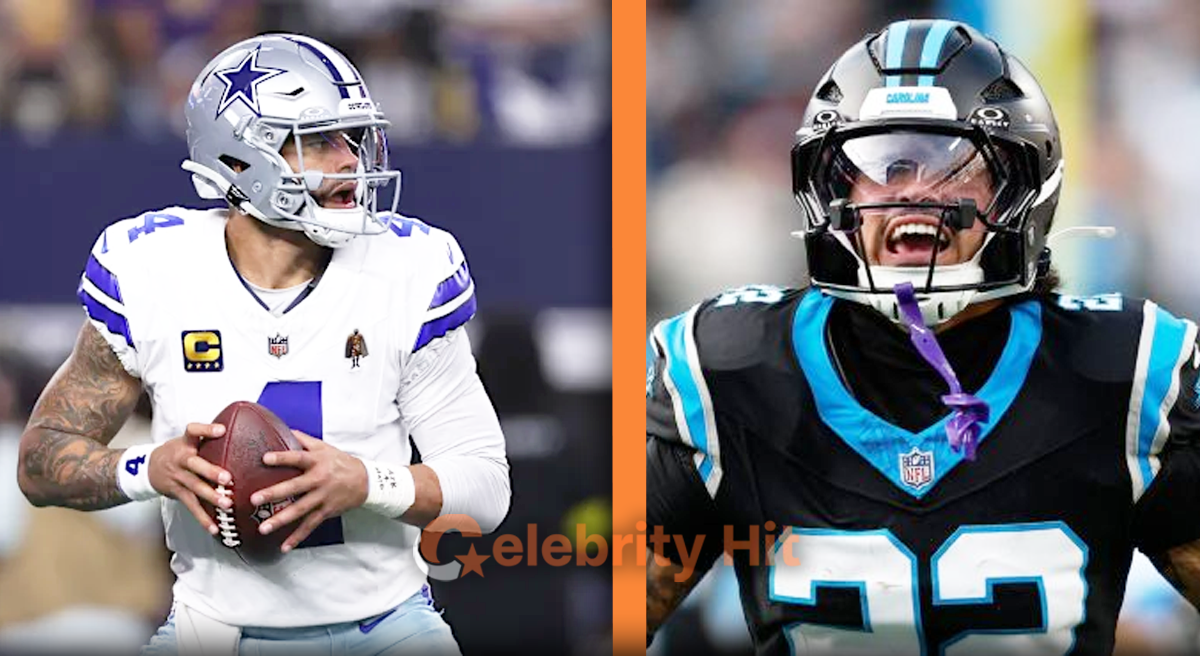
The clash between Dallas and Carolina offered a detailed look at how contrasting team identities translate into on-field production. While the final score always captures attention, a deeper examination of Dallas Cowboys vs Carolina Panthers match player stats reveals the true story of the game. Individual performances, positional efficiency, and situational execution all played decisive roles. Dallas leaned on offensive balance and defensive discipline, while Carolina focused on developing rhythm, resilience, and flashes of explosiveness. This complete match analysis breaks down player statistics across every major unit to explain how the game unfolded from start to finish.
Quarterback Performance and Passing Output
Quarterback play defined much of the game’s momentum. Dallas’ quarterback delivered a composed and efficient performance, reflected in a strong completion percentage and consistent yardage production. Rather than forcing deep throws, he relied on timing routes and quick reads, spreading the ball across multiple targets. Touchdown passes came through structured drives, showcasing control and command of the offense. Interception avoidance remained a key strength, allowing Dallas to sustain pressure throughout the game.
Carolina’s quarterback faced a more complex challenge. With defensive pressure arriving early and often, he was required to adjust reads and rely on short completions. Passing yards accumulated gradually, and while explosive plays were limited, accuracy improved as the game progressed. Mistakes were minimal, but the lack of sustained drives limited overall statistical impact. The contrast in quarterback stats reflected experience versus development, with Dallas capitalizing on efficiency and Carolina focusing on growth and adaptability.
Running Back Contributions and Ground Game Balance
The rushing game added another layer to the statistical narrative. Dallas utilized a balanced rushing attack, rotating backs to maintain freshness and versatility. Rushing attempts were evenly distributed, and yards per carry remained steady throughout the contest. One running back stood out with consistent gains between the tackles, contributing significantly to time-of-possession control and red-zone success.
Carolina relied more heavily on its primary running back, reflected in higher carry totals. Despite facing a disciplined defensive front, he managed to generate positive yardage through vision and physicality. Yards after contact became a defining metric, highlighting effort even when running lanes closed quickly. Statistically, Dallas benefited from balance and efficiency, while Carolina showcased determination and workload-heavy usage.
Wide Receiver Production and Passing Targets
Wide receiver stats revealed the strategic approach of each offense. Dallas emphasized depth and versatility, with multiple receivers recording meaningful reception totals. Target distribution prevented defensive focus on a single option, leading to steady gains and third-down conversions. Slot receivers played a vital role, turning short passes into chain-moving plays.
Carolina’s receiving unit centered around a primary target who led the team in receptions and yards. While overall receiving numbers were lower, catch reliability remained strong. Deep targets were limited but impactful when completed, briefly shifting momentum and field position. Tight coverage and limited separation influenced Carolina’s receiving efficiency, but effort and route discipline were evident in the stat sheet.
Tight End Usage and Red-Zone Impact
Tight end involvement often becomes critical in close games, particularly in scoring situations. Dallas integrated tight ends effectively in both blocking and receiving roles. Reception totals were moderate, but red-zone efficiency stood out, with key catches extending drives or contributing to scoring opportunities. Blocking metrics also supported the run game and pass protection.
Carolina used tight ends more selectively, focusing on blocking support with occasional receiving involvement. When targeted, tight ends proved reliable, particularly in short-yardage scenarios. While statistical output was limited, situational impact remained meaningful, especially in maintaining offensive balance.
Offensive Line Performance and Protection Metrics
Offensive line stats provided valuable insight into overall team execution. Dallas’ offensive line excelled in pass protection, allowing minimal sacks and maintaining pocket stability. Communication and technique limited pressure, enabling the quarterback to operate comfortably. Run-blocking metrics were equally effective, creating consistent lanes and supporting balanced play-calling.
Carolina’s offensive line faced sustained pressure from Dallas’ defensive front. While pass protection showed vulnerability at times, adjustments improved performance as the game progressed. Run-blocking efficiency was respectable, especially on designed inside runs. Statistically, Dallas dominated protection metrics, while Carolina showed incremental improvement and resilience.
Defensive Line Pressure and Front Seven Impact
Defensive player stats highlighted Dallas’ strength in the trenches. Defensive linemen recorded multiple pressures, quarterback hits, and tackles for loss. Even when sacks did not occur, consistent disruption altered Carolina’s offensive rhythm. Linebackers complemented this effort with high tackle counts and disciplined gap control.
Carolina’s defensive front focused on containment rather than aggression. While pressure numbers were lower, run defense remained competitive, limiting explosive rushing plays. Linebackers led the team in tackles, reflecting strong pursuit and effort. The statistical edge favored Dallas in overall disruption, but Carolina demonstrated physical resistance.
Secondary Coverage and Pass Defense Efficiency
Pass defense metrics told a story of discipline and positioning. Dallas’ secondary allowed limited big plays, focusing on tight coverage and quick tackling. Completion percentages allowed were modest, and yards after catch remained controlled. Pass breakups on key downs prevented momentum shifts.
Carolina’s secondary faced higher passing volume, resulting in increased targets and receptions allowed. However, red-zone defense proved effective, forcing field goal attempts instead of touchdowns. While overall coverage efficiency lagged, situational awareness helped minimize damage. Statistically, Dallas maintained consistency, while Carolina relied on resilience.
Special Teams Performance and Field Position Control
Special teams contributed subtle yet important advantages. Dallas’ kicking unit delivered reliable accuracy, converting scoring opportunities consistently. Kickoff placement limited return potential, helping control field position.
Carolina’s return units provided occasional sparks, generating solid average yardage and improving starting field position on select drives. Punting efficiency remained steady, though coverage lapses allowed modest returns. Overall, Dallas held a slight edge in special teams consistency, while Carolina gained value through effort-based returns.
Penalties, Discipline, and Momentum Shifts
Penalty statistics often reveal composure under pressure. Dallas committed fewer penalties overall, maintaining offensive rhythm and defensive stability. Most infractions were minor and did not significantly impact drive outcomes.
Carolina recorded a higher number of penalties, particularly on defense. These mistakes extended drives and affected field position, contributing to sustained pressure. Statistically, discipline favored Dallas and played a role in controlling momentum.
Time of Possession and Drive Efficiency
Time-of-possession numbers reflected contrasting offensive philosophies. Dallas controlled the clock through balanced play-calling and efficient conversions. Average drive length remained steady, with consistent scoring output.
Carolina’s drives were shorter but occasionally explosive. While total possession time was lower, efficiency improved in isolated stretches. Statistically, Dallas maximized control and consistency, while Carolina focused on selective opportunities.
Overall Player Efficiency and Game Influence
Advanced efficiency metrics highlighted Dallas’ balanced roster contributions. Quarterback efficiency, receiver success rates, and defensive disruption metrics all ranked highly. Carolina’s standout metrics came from its primary running back and leading linebacker, reflecting individual effort within a challenging matchup.
Rather than a one-dimensional contest, the stats revealed layered execution across units. Dallas capitalized on experience and depth, while Carolina demonstrated effort, growth, and competitive resolve.
Conclusion
The Dallas Cowboys vs Carolina Panthers matchup highlighted how experience, depth, and discipline can shape overall performance. Dallas relied on balanced offense, efficient quarterback play, and consistent defensive pressure to control the game. Carolina showed determination through its rushing attack and defensive effort despite facing sustained challenges. Player statistics reflected strong execution by Dallas across multiple units. Carolina’s numbers emphasized individual effort and development rather than dominance. Overall, the match provided a clear example of how structured play and efficiency influence outcomes.
Must Read The Article: Sukihana Age: From Early Struggles to Fame, Bio, Career and Net Worth
FAQs
Match Performance Summary
Which team showed better overall efficiency?
Dallas demonstrated stronger efficiency across offense, defense, and special teams.
Offensive Execution
Who contributed most on offense for Carolina?
Carolina’s primary running back led in workload and physical impact.
Defensive Impact
Which defense applied more pressure?
Dallas generated more consistent pressure through its defensive line.
Game Control
Did time of possession influence the outcome?
Yes, Dallas’ control of possession helped maintain momentum and scoring balance.


The matchup between the Las Vegas Raiders and the Indianapolis Colts delivered a game shaped by execution, adaptability, and individual performances at critical moments. While the scoreboard shows the outcome, the deeper narrative is revealed through a close look at Las Vegas Raiders vs Colts match player stats. From quarterback efficiency to defensive pressure and special teams impact, each phase of the game featured players who influenced momentum and ultimately made the difference. This article provides a full, human-written, and informative breakdown of the match, focusing on how individual player statistics explain the flow and turning points of the game.
Quarterback Performance and Offensive Control
Quarterback play was a defining factor in this matchup. The Raiders’ quarterback entered the game focused on rhythm and control rather than high-risk plays. Completion percentage reflected this approach, with short and intermediate throws forming the backbone of the passing attack. Passing yards accumulated steadily through sustained drives rather than explosive single plays. His ability to read the defense pre-snap and make quick decisions helped the Raiders maintain offensive balance and avoid costly turnovers.
On the other side, the Colts’ quarterback faced a more complex challenge. Against a defense that applied pressure at key moments, he was forced to adjust reads and rely on quick releases. While total passing yards were competitive, consistency proved harder to maintain. Missed opportunities on third downs and red-zone possessions limited overall impact. Statistically, the Raiders’ quarterback showed greater efficiency, while the Colts’ quarterback demonstrated resilience and adaptability under pressure.
Running Back Impact and Rushing Efficiency
The rushing game played a crucial role in controlling tempo and field position. Las Vegas relied on a primary running back who handled the majority of carries. His stat line reflected both volume and physicality, with consistent gains on early downs helping to keep the offense ahead of schedule. Yards after contact stood out as a key metric, showing determination even when blocking lanes tightened.
Indianapolis approached the run game with more rotation, utilizing multiple backs to maintain freshness and versatility. While no single runner dominated statistically, combined rushing totals reflected efficiency rather than power. Outside runs and zone concepts allowed the Colts to exploit defensive edges, though red-zone rushing success remained limited. From a statistical perspective, the Raiders won the physical battle on the ground, while the Colts emphasized balance and spacing.
Wide Receiver Contributions and Passing Targets
Wide receiver stats highlighted contrasting offensive philosophies. The Raiders focused on a clear primary target who led the team in receptions and yards. This receiver consistently won matchups on intermediate routes, providing a reliable option on third downs. Secondary receivers contributed selectively, but the passing game largely revolved around timing and chemistry between the quarterback and lead receiver.
The Colts spread targets more evenly across their receiving group. While no single receiver posted dominant numbers, multiple players contributed meaningful receptions. Slot receivers played a key role in moving the chains, while outside receivers stretched the field vertically. Despite balanced distribution, inconsistency in catch rate limited overall effectiveness. Statistically, the Raiders benefited from a standout individual performance, while the Colts relied on collective effort.
Tight End Usage and Situational Value
Tight ends played an understated yet important role in the game. Las Vegas used tight ends primarily in blocking schemes, supporting the run game and pass protection. When targeted, they delivered efficient catches in short-yardage situations, particularly on third downs. Though reception totals were modest, their situational impact was significant.
Indianapolis incorporated tight ends more actively into the passing game. Short and intermediate routes provided a safety valve for the quarterback, especially under pressure. Tight ends also contributed in the red zone, where size and positioning mattered. Statistically, the Colts gained more receiving value from tight ends, while the Raiders benefited from their blocking and reliability.
Offensive Line Performance and Protection Metrics
Offensive line play influenced both quarterback comfort and rushing success. The Raiders’ offensive line performed well in run blocking, creating consistent lanes and allowing the running back to gain momentum. Pass protection was solid, with limited sacks allowed and manageable pressure rates. Communication and technique helped maintain pocket stability throughout the game.
The Colts’ offensive line faced a tougher challenge against a physical defensive front. While run blocking showed moments of success, pass protection struggled at times, resulting in hurried throws and disrupted timing. Adjustments improved performance in the second half, but early pressure influenced the game’s rhythm. Statistically, the Raiders held the edge in trench efficiency.
Defensive Line Pressure and Front Seven Performance
Defensive stats revealed how pressure shaped offensive decision-making. The Raiders’ defensive line consistently disrupted plays, recording multiple quarterback hits and tackles for loss. Even when sacks were limited, pressure forced quicker throws and reduced downfield opportunities. Linebackers complemented this effort with strong run-stopping metrics and high tackle counts.
The Colts’ defensive front emphasized containment and discipline. While pressure numbers were lower, gap control limited explosive runs. Linebackers led the team in tackles, showing strong pursuit and effort. However, the lack of consistent backfield disruption allowed the Raiders to maintain offensive rhythm. Statistically, the Raiders’ front seven made a greater impact.
Secondary Coverage and Pass Defense Efficiency
Pass defense metrics highlighted differences in coverage execution. The Raiders’ secondary allowed completions underneath but minimized yards after catch through disciplined tackling. Pass breakups on key downs prevented momentum shifts and forced punts.
The Colts’ secondary faced higher target volume, particularly against the Raiders’ primary receiver. While coverage held up in short areas, intermediate routes proved challenging to defend. Red-zone coverage improved, limiting touchdowns and forcing field goal attempts. Statistically, the Raiders maintained more consistent coverage, while the Colts showed situational resilience.
Special Teams Performance and Field Position
Special teams contributed subtle but meaningful advantages. The Raiders’ kicking unit delivered reliable accuracy, converting scoring opportunities and maintaining composure. Kickoff placement limited return opportunities, helping control field position.
The Colts gained value through return efforts, with solid average yardage improving starting field position on multiple drives. Punting efficiency helped manage defensive stretches, though coverage allowed occasional returns. Overall, special teams impact was balanced, with the Raiders excelling in reliability and the Colts in return energy.
Penalties, Discipline, and Momentum Shifts
Penalty statistics reflected differences in discipline. Las Vegas committed fewer penalties overall, maintaining offensive rhythm and defensive stability. Most infractions were minor and did not significantly impact field position.
Indianapolis recorded slightly more penalties, particularly on defense. These mistakes extended drives and contributed to sustained pressure. Statistically, discipline favored the Raiders and played a role in maintaining control.
Time of Possession and Drive Efficiency
Time-of-possession numbers illustrated contrasting strategies. The Raiders controlled the clock through sustained drives and effective rushing. Average drive length remained steady, allowing consistent scoring opportunities.
The Colts relied on shorter, quicker drives. While this approach created occasional momentum swings, inconsistency limited scoring efficiency. Statistically, the Raiders’ ability to control tempo proved decisive.
Overall Player Efficiency and Who Made the Difference
Advanced efficiency metrics highlighted the Raiders’ primary offensive contributors and defensive disruptors. The quarterback, lead receiver, and running back posted strong efficiency ratings, reflecting consistent impact. Defensively, pressure metrics favored the Raiders’ front seven.
For the Colts, efficiency came from collective effort rather than individual dominance. While several players contributed positively, the lack of a singular standout limited overall effectiveness. The difference ultimately came down to execution in critical moments, where the Raiders capitalized more effectively.
Conclusion
The Las Vegas Raiders vs Colts matchup demonstrated how individual performances and situational execution determine outcomes. The Raiders relied on efficient quarterback play, a physical rushing attack, and consistent defensive pressure to control the game. The Colts showed balance, effort, and adaptability but struggled to sustain momentum at key moments. Player statistics revealed that the Raiders made the difference through efficiency, discipline, and control of tempo. Defensive execution and third-down success proved decisive factors. Overall, the match highlighted how preparation and execution across all units shape competitive NFL contests.
Must Read The Article: Bernice Burgos Height: Biography and Everything You Need to Know
Frequently Asked Questions
Match Overview
Which team showed better overall efficiency?
The Raiders demonstrated stronger efficiency across offense, defense, and possession control.
Offensive Impact
Who was the most influential offensive player?
The Raiders’ primary receiver played a major role in sustaining drives and converting key downs.
Defensive Performance
Which defense applied more pressure?
The Raiders generated more consistent pressure through their defensive front.
Game Control
Did time of possession influence the outcome?
Yes, the Raiders’ control of possession helped limit the Colts’ offensive opportunities.
Discipline Factor
Which team played with fewer mistakes?
Las Vegas committed fewer penalties and maintained better overall discipline.
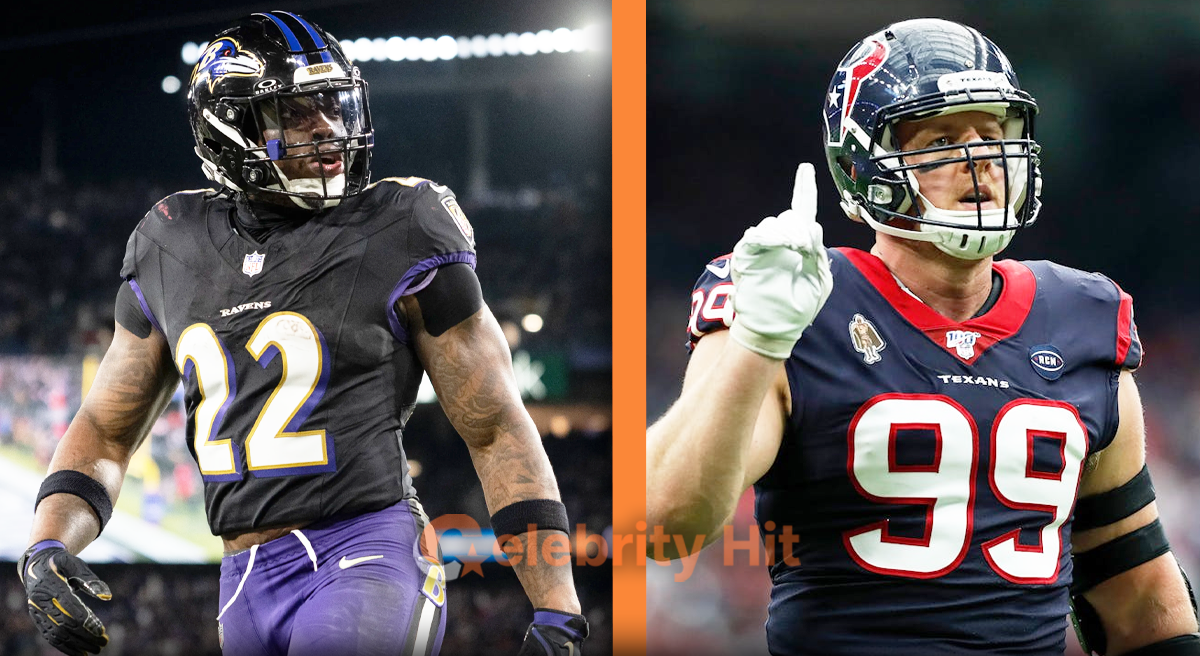
The matchup between Baltimore and Houston delivered a detailed display of tactical execution, individual brilliance, and contrasting football philosophies. While the final score tells one part of the story, a deeper look into Baltimore Ravens vs Texans match player stats reveals how specific performances across offense, defense, and special teams shaped the overall outcome. Baltimore entered the game with a reputation for physical dominance and structured efficiency, while Houston focused on speed, adaptability, and emerging talent. This article provides a complete, human-written breakdown of player performances, explaining how the game unfolded through numbers, roles, and execution.
Quarterback Performance and Offensive Leadership
Quarterback play was central to the rhythm of the game. Baltimore’s quarterback delivered a composed and efficient performance, showcasing strong decision-making and command of the offense. Completion percentage remained high, reflecting accuracy on short and intermediate throws. Rather than relying solely on deep passes, he consistently moved the chains through timing routes and controlled improvisation. His passing yards accumulated steadily, and his ability to extend plays added an extra dimension to Baltimore’s offense. Turnover avoidance played a key role in maintaining momentum and controlling field position.
Houston’s quarterback faced a more challenging task against a disciplined defensive unit. Despite pressure, he demonstrated resilience and poise, delivering accurate throws when opportunities arose. Passing yardage reflected a mix of short completions and selective deep attempts. While sustained drives were harder to maintain, his performance highlighted growth, confidence, and adaptability. Statistically, Baltimore held the edge in efficiency, while Houston showed flashes of explosiveness and promise.
Running Back Contributions and Rushing Efficiency
The rushing game played a significant role in defining the physical tone of the matchup. Baltimore relied on a committee approach, rotating running backs to keep the offense balanced and unpredictable. Total rushing attempts were spread evenly, and yards per carry remained consistent throughout the game. One running back stood out for his ability to gain tough yards between the tackles, supporting time-of-possession control and red-zone efficiency.
Houston’s rushing attack leaned more heavily on its primary back, reflected in higher carry totals. Despite facing a strong defensive front, he managed to produce positive gains through vision and persistence. Yards after contact were a notable metric, highlighting effort even when blocking lanes closed quickly. From a statistical perspective, Baltimore benefited from balance and depth, while Houston emphasized workload and determination.
Wide Receiver Production and Target Distribution
Wide receiver stats revealed contrasting offensive identities. Baltimore spread the ball across multiple receivers, preventing the defense from focusing on a single target. Reception totals were balanced, and third-down conversions highlighted strong route discipline and chemistry with the quarterback. Slot receivers played an important role, turning short passes into meaningful gains and sustaining drives.
Houston’s receiving corps revolved around a primary target who led in receptions and yards. His ability to create separation and secure contested catches kept the offense competitive. Secondary receivers contributed with timely plays, though overall target distribution was narrower. Statistically, Baltimore showed greater depth and balance, while Houston relied on standout individual performances.
Tight End Usage and Red-Zone Impact
Tight ends were an important factor in situational football. Baltimore utilized tight ends effectively as both blockers and receivers. Reception totals were moderate, but efficiency was high, particularly in short-yardage and red-zone situations. Their blocking contributions also supported the run game and play-action concepts, adding versatility to the offense.
Houston used tight ends more conservatively, focusing primarily on blocking responsibilities. When targeted, they provided reliable hands on short routes, helping move the chains. While overall usage was limited, situational impact remained meaningful. Statistically, Baltimore gained more consistent value from tight end involvement.
Offensive Line Performance and Protection Metrics
Offensive line play significantly influenced offensive execution. Baltimore’s offensive line performed well in both pass protection and run blocking. Sack totals were low, and quarterback hits were limited, allowing the offense to operate smoothly. Communication and technique helped maintain pocket stability and create rushing lanes.
Houston’s offensive line faced sustained pressure from Baltimore’s defensive front. While pass protection showed occasional vulnerability, adjustments improved performance as the game progressed. Run-blocking metrics were respectable, particularly on designed inside runs. Statistically, Baltimore held a clear advantage in protection efficiency, while Houston demonstrated resilience under pressure.
Defensive Line Pressure and Front Seven Impact
Defensive stats highlighted Baltimore’s dominance in the trenches. Defensive linemen recorded multiple pressures, tackles for loss, and quarterback disruptions. Even when sacks were limited, consistent pressure altered Houston’s timing and play-calling. Linebackers complemented this effort with disciplined run defense and high tackle efficiency.
Houston’s defensive front focused on containment and effort. Pressure numbers were moderate, but run defense showed moments of strength, limiting explosive plays. Linebackers led the team in tackles, reflecting strong pursuit and physicality. Statistically, Baltimore excelled in disruption, while Houston emphasized resistance and effort.
Secondary Coverage and Pass Defense Metrics
Pass defense statistics revealed disciplined execution from Baltimore’s secondary. Coverage schemes limited big plays, allowing short completions but minimizing yards after catch. Pass breakups on key downs disrupted Houston’s rhythm and prevented momentum shifts.
Houston’s secondary faced a higher volume of passing attempts. While reception totals allowed were higher, red-zone defense remained competitive, forcing field goal attempts instead of touchdowns. Coverage improved in tight spaces, demonstrating situational awareness. Statistically, Baltimore maintained consistency across the field, while Houston relied on situational resilience.
Special Teams Performance and Field Position Control
Special teams contributed important field position advantages. Baltimore’s kicking unit delivered reliable accuracy, converting scoring opportunities and maintaining composure. Kickoff placement limited return opportunities, helping control territory.
Houston gained value through return efforts. Kick and punt returns produced solid average yardage, improving starting field position on several drives. Punting efficiency also helped manage defensive stretches. Overall, special teams impact was balanced, with Baltimore excelling in reliability and Houston in return energy.
Penalties, Discipline, and Game Flow
Penalty statistics reflected differences in discipline and composure. Baltimore committed fewer penalties overall, maintaining offensive rhythm and defensive structure. Most infractions were minor and did not significantly impact field position.
Houston recorded a slightly higher number of penalties, particularly on defense. These mistakes extended drives and contributed to sustained pressure. Statistically, discipline favored Baltimore and played a role in controlling game flow.
Time of Possession and Drive Efficiency
Time-of-possession numbers illustrated strategic intent. Baltimore controlled the clock through efficient drives and balanced play-calling. Average drive length remained steady, and scoring efficiency per possession was strong.
Houston’s drives were shorter but occasionally explosive. While total possession time was lower, the ability to generate quick plays kept the game competitive. Statistically, Baltimore emphasized control, while Houston focused on momentum swings.
Overall Player Efficiency and Match Influence
Advanced efficiency metrics highlighted Baltimore’s balanced roster contributions. Quarterback efficiency, receiver success rates, and defensive pressure metrics ranked highly. Houston’s standout metrics came from its quarterback and lead receiver, reflecting growth and playmaking potential.
Rather than reliance on a single star, the stats revealed layered execution across units. Baltimore’s consistency and depth contrasted with Houston’s emerging talent and flashes of explosiveness, creating a competitive and instructive matchup.
Conclusion
The Baltimore Ravens vs Texans matchup highlighted the importance of efficiency, depth, and disciplined execution. Baltimore relied on balanced offense, strong trench play, and consistent defensive pressure to control the pace of the game. Houston countered with emerging talent, resilience, and moments of explosive play that showcased future potential. Player statistics reflected structured dominance from Baltimore and developmental growth from Houston. Defensive execution and situational awareness influenced key moments throughout the contest. Overall, the game demonstrated how experience, preparation, and efficiency shape outcomes at the highest level.
Must Read The Article: Tennessee Titans vs Colts Match Player Stats: Star Players Breakdown
FAQs
Match Performance Overview
Which team showed better overall efficiency?
Baltimore demonstrated stronger efficiency across offense, defense, and possession control.
Offensive Execution
Who had the biggest impact on offense?
Baltimore’s quarterback led with consistent decision-making and balanced distribution.
Defensive Strength
Which defense applied more pressure?
Baltimore generated more consistent pressure through its defensive front.
Momentum Factors
Did explosive plays influence the game?
Houston relied on explosive plays to create momentum, especially in passing situations.
Discipline Aspect
Which team played with fewer mistakes?
Baltimore committed fewer penalties and maintained cleaner execution overall.

The rivalry between Tennessee and Indianapolis has consistently produced games rich in intensity, strategy, and individual brilliance. Looking beyond the scoreboard, a close review of Tennessee Titans vs Colts match player stats reveals how specific performances shaped the rhythm and outcome of this encounter. Both teams entered the game with clear identities: Tennessee built around physicality and defensive grit, and Indianapolis focused on balance, adaptability, and situational execution. This article delivers a detailed, human-written breakdown of key player statistics, explaining how star players from both sides influenced the game across offense, defense, and special teams.
Quarterback Performance and Game Management
Quarterback play served as the foundation for offensive execution in this matchup. Tennessee’s quarterback approached the game with a conservative but controlled mindset. Completion percentage reflected a focus on short and intermediate throws, prioritizing ball security over aggressive downfield risks. Passing yard totals were modest, yet efficiency remained respectable due to limited turnovers and smart decision-making under pressure. The quarterback’s ability to manage third downs and avoid costly mistakes kept Tennessee competitive throughout the contest.
On the other side, Indianapolis’ quarterback displayed a more versatile performance. Passing attempts were spread across multiple receivers, resulting in higher total yardage and improved rhythm as the game progressed. Play-action usage proved effective, drawing defenders forward and opening passing lanes. While pressure occasionally disrupted timing, composure in the pocket allowed the Colts’ quarterback to maintain steady production. Statistically, the contrast highlighted Tennessee’s risk-averse approach versus Indianapolis’ flexible and evolving offensive strategy.
Running Back Contributions and Rushing Identity
The rushing attack played a critical role in defining the physical tone of the game. Tennessee leaned heavily on its featured running back, whose stat line reflected both volume and toughness. Carry totals were high, and yards after contact stood out as a defining metric. Even when initial blocking broke down, consistent forward momentum helped Tennessee control field position and time of possession. The running back’s presence forced Indianapolis to commit defenders to the box, shaping defensive alignments.
Indianapolis approached the run game with more balance. Multiple running backs contributed, sharing carries to maintain tempo and versatility. While individual rushing totals were lower than Tennessee’s lead back, overall efficiency per carry remained solid. Outside runs and misdirection plays produced steady gains, keeping the defense honest. From a statistical perspective, Tennessee dominated in rushing volume, while Indianapolis benefited from efficiency and adaptability.
Wide Receiver Production and Passing Targets
Receiver stats revealed clear differences in offensive structure. Tennessee’s receiving corps centered around a primary target who led in receptions and yards. Timing routes and contested catches defined much of the passing game, with fewer explosive plays but consistent chain movement. Secondary receivers contributed selectively, primarily in short-yardage situations. While total receiving yards were limited, catch reliability remained a positive metric.
Indianapolis showcased greater depth at the receiver position. Target distribution spread across multiple players, reducing predictability and increasing overall passing efficiency. Several receivers recorded meaningful yardage totals, with yards after catch playing a significant role. Slot receivers proved especially effective, converting short passes into extended gains. Statistically, Indianapolis held an advantage in receiving depth and versatility.

Tight End Usage and Situational Impact
Tight ends played a subtle but important role in shaping drives. Tennessee used tight ends primarily as blockers, supporting the run game and pass protection. Receiving opportunities were limited, but when targeted, tight ends delivered reliable catches in short-yardage scenarios. Red-zone involvement was modest but efficient.
Indianapolis incorporated tight ends more actively into the passing scheme. Reception totals were higher, particularly on intermediate routes and play-action plays. Tight ends also served as safety valves under pressure, contributing to sustained drives. Blocking metrics remained solid, supporting both the run and pass game. Overall, Indianapolis gained more statistical value from tight end involvement.
Offensive Line Performance and Protection Metrics
Offensive line statistics provided insight into the effectiveness of both offenses. Tennessee’s line faced a disciplined defensive front and responded with physical run blocking. While pass protection showed occasional vulnerability, run-blocking metrics remained strong, enabling the rushing attack to function consistently. Sack totals were manageable, reflecting adjustments and quick-release passing concepts.
Indianapolis’ offensive line demonstrated balance. Pass protection efficiency allowed the quarterback time to progress through reads, resulting in higher passing yard totals. Run blocking was effective, though less dominant than Tennessee’s. Communication and technique limited negative plays, contributing to offensive stability. Statistically, Tennessee excelled in run blocking, while Indianapolis held the edge in pass protection.
Defensive Line Pressure and Front Seven Impact
Defensive stats highlighted Tennessee’s strength up front. Defensive linemen recorded multiple pressures, quarterback hits, and tackles for loss. Even without high sack totals, consistent disruption forced Indianapolis to adjust play-calling and timing. Linebackers contributed heavily, leading the team in tackles and demonstrating strong run-stopping ability.
Indianapolis’ defensive front emphasized discipline and containment. Pressure numbers were moderate, but gap control limited explosive rushing plays. Linebackers displayed strong pursuit, contributing to tackle totals and pass coverage. While Tennessee led in disruption metrics, Indianapolis maintained consistency and limited breakdowns.
Secondary Coverage and Pass Defense Metrics
Pass defense statistics revealed a battle of patience and execution. Tennessee’s secondary focused on limiting big plays, allowing short completions but minimizing yards after catch. Pass breakups on key downs prevented momentum shifts, and coverage discipline remained strong throughout the game.
Indianapolis’ secondary faced a lower passing volume but emphasized tight coverage. Completion percentages allowed were modest, and red-zone defense proved effective. While interception opportunities were limited, forced incompletions played a key role in critical situations. Statistically, both secondaries performed efficiently, with Tennessee excelling in containment and Indianapolis in situational defense.
Special Teams Performance and Field Position
Special teams contributed meaningful but often overlooked advantages. Tennessee’s kicking unit delivered reliable accuracy, converting scoring opportunities when presented. Punt coverage limited return yardage, helping control field position.
Indianapolis gained value through return efficiency. Kick and punt returns improved starting field position on several drives, providing offensive flexibility. Punting efficiency also helped flip field position during defensive stretches. Overall, special teams impact was balanced, with each team gaining situational advantages.
Penalties, Discipline, and Game Flow
Penalty statistics reflected differences in composure. Tennessee committed slightly more penalties, particularly on offense. These infractions occasionally stalled drives and impacted field position. However, discipline improved as the game progressed.
Indianapolis played with greater overall discipline, recording fewer penalty yards. Defensive penalties were limited, allowing consistent pressure without extending drives unnecessarily. Statistically, cleaner execution favored Indianapolis and contributed to sustained momentum.
Time of Possession and Drive Efficiency
Time-of-possession numbers illustrated strategic intent. Tennessee controlled the clock through its rushing attack, producing longer drives and limiting Indianapolis’ offensive opportunities. Average drive length was higher, though scoring efficiency per drive was moderate.
Indianapolis prioritized efficiency over duration. Shorter drives resulted in similar scoring output, reflecting effective play-calling and execution. From a statistical standpoint, Tennessee emphasized control, while Indianapolis focused on maximizing opportunities.
Overall Player Efficiency and Star Contributions
Advanced metrics highlighted standout performers on both sides. Tennessee’s lead running back and top linebacker ranked highest in efficiency ratings, reflecting consistent impact and physical dominance. Indianapolis’ quarterback and a leading receiver posted strong efficiency scores, showcasing balance and versatility.
Rather than dominance from a single player, the stats revealed complementary contributions across units. Each team executed its identity effectively, resulting in a competitive and strategically rich matchup.
Conclusion
The Tennessee Titans vs Colts matchup highlighted how contrasting styles can shape a closely contested game. Tennessee relied on physical rushing, defensive pressure, and time-of-possession control to impose its identity. Indianapolis countered with balanced offense, efficient passing, and disciplined execution. Player statistics showed strong individual efforts rather than reliance on a single dominant performance. Defensive consistency and situational awareness influenced key moments throughout the game. Overall, the match demonstrated how strategy, efficiency, and player execution work together to determine outcomes.
Must Read The Article: Noah LaLonde Age and Biography: From Early Beginnings to Rising Hollywood Star
FAQs
Match Performance Overview
Which team showed better offensive balance?
Indianapolis demonstrated greater balance through diversified passing and rushing contributions.
Key Player Impact
Who had the biggest individual impact in the game?
Tennessee’s featured running back led in workload and physical influence.
Defensive Strength
Which defense created more disruption?
Tennessee generated more consistent pressure through its defensive front.
Game Control
Did time of possession favor one side?
Yes, Tennessee controlled possession for longer stretches through its run-heavy approach.
Discipline Factor
Which team played with fewer mistakes?
Indianapolis committed fewer penalties and maintained cleaner execution overall.
-

 Celebrity7 months ago
Who Is Erin Barry Now? All You Need To Know Brent Barry’s Ex-Wife
-

 Celebrity7 months ago
Who is Holly Revord? All You Need To Know Raegan Revord’s Mom
-

 Celebrity7 months ago
Who Is Noelle Inguagiato? All You Need To Know Jesse Watters’ Ex-Wife
-

 Celebrity7 months ago
Who Is Laurie Holmond? All You Need To Know Snoop Dogg’s Son’s Mother
-

 Celebrity7 months ago
Who Is Hopie Carlson: All About Tucker Carlson’s Daughter
-

 Celebrity7 months ago
Who Is Charles Ezekiel Mozes? All You Need To Know About Cynthia Nixon’s Son
-

 Celebrity7 months ago
Who Is Brandy Quaid? All You Need To Know Randy Quaid’s Sister
-

 Celebrity6 months ago
Who Is Amy Havel Patel? All You Need To Know Nimesh Patel’s Wife